High-resolution satellite imagery can show you every contour of the Calanques, yet none of it reveals the legal terrain beneath. You might zoom in on a secluded cove or a sun-drenched plot near Cassis, but what you won’t see are the binding restrictions carved into French environmental law. The Calanques National Park isn’t just a scenic backdrop-it’s a legally protected entity shaping every real estate decision within its reach. For international buyers, this means the dream of coastal living comes with layers of regulation that can make or break a purchase. Understanding these rules isn’t optional; it’s the foundation of a sound investment.
Understanding the core zoning of the Calanques National Park
The Calanques National Park is divided into distinct regulatory zones, each with its own legal weight. At the heart of the park lies the cœur de parc, where conservation takes absolute priority. Here, private development is nearly impossible, and even minor alterations to existing structures face intense scrutiny. Surrounding this core is the aire maritime adjacente and the buffer zone, where some flexibility exists-but only within strict ecological boundaries.
The distinction between core and buffer zones
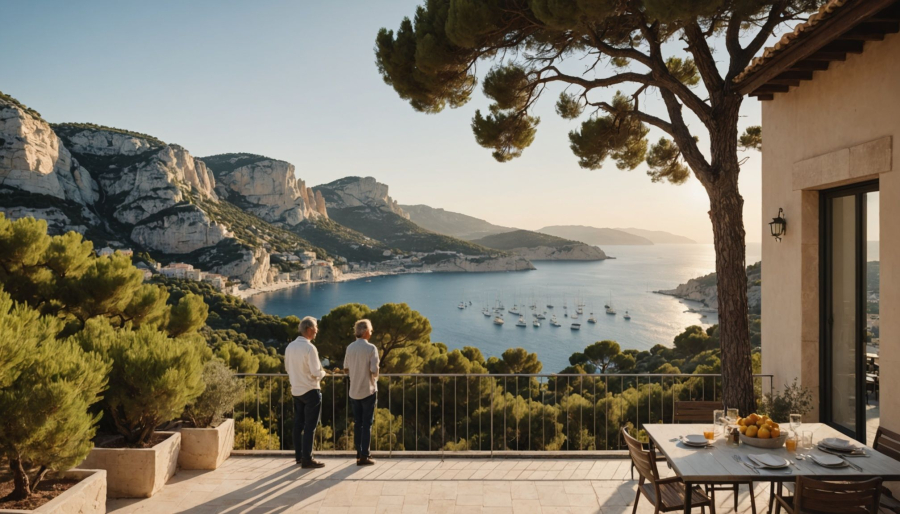
The difference between the core and the buffer zone isn’t just geographical-it’s legal and practical. In the core, land use is dictated by national park mandates that override typical municipal planning. Building new structures is generally prohibited, and renovations must align with environmental preservation goals. The buffer zone, while less restrictive, still falls under heightened oversight. This is where most residential properties are located, yet even here, any modification requires approval from multiple authorities. Navigating the local market requires expert insight, as the selection of properties for sale in Cassis is strictly framed by environmental protection laws.
The impact on private ownership rights
Ownership in these zones doesn’t always mean full control. Many coastal parcels are subject to servitudes de passage, legal easements that allow public access through private land. This is especially common near hiking trails or coastal paths. As a result, you may own the land, but hikers have the right to cross it-limiting privacy and restricting how you can landscape or enclose your property. These rights are often centuries old and cannot be removed, making due diligence essential before purchase.
Strict conservation objectives
The park’s mission is clear: preserve biodiversity and natural landscapes above all else. This means that species protection, soil stability, and water quality take precedence over residential convenience. For example, removing even a single tree may require authorization if it’s part of a protected habitat. Similarly, introducing non-native plants or altering drainage patterns can be prohibited. These rules aren’t arbitrary-they’re enforced by park rangers and environmental agencies, with fines for non-compliance.
Strict limitations on construction and renovation
If you’re envisioning a modern extension or a rooftop terrace with sea views, think again. The Calanques are governed by some of France’s most stringent building codes, designed to prevent urban sprawl and protect the coastline’s integrity.
The 'Loi Littoral' and urban planning
The Loi Littoral of 1986 remains a cornerstone of coastal regulation. It limits new construction within 100 meters of the high-tide line and restricts building footprints in sensitive areas. In practice, this means you can’t expand a house beyond its original footprint without exceptional justification. Even adding a small swimming pool may be denied if it’s deemed to disrupt the natural landscape or increase water consumption. Permits are issued sparingly, and appeals are common-delays of several months are not unusual.
Architectural harmony requirements
Appearance matters-deeply. Any renovation must comply with guidelines set by the Architectes des Bâtiments de France (ABF), who ensure that new elements blend with traditional Provençal architecture. This means natural stone, terracotta tiles, and muted colors are often mandatory. Modern glass facades or metal roofs? Rarely approved. The goal is visual continuity with the region’s heritage, so even high-end properties must respect local aesthetics. It’s not about style preference-it’s about legal compliance.
Regulatory comparison for property types in Cassis
Decoding the permission hierarchy
Not all locations in Cassis carry the same regulatory burden. The closer a property is to the park’s core, the tighter the restrictions. To clarify the landscape, here’s a comparative overview:
| Property Location | Construction Authorization | Renovation Flexibility | Rental Potential |
|---|---|---|---|
| Village Center | Limited new builds, but renovations possible | High - subject to ABF approval | High - short-term rentals permitted under local quotas |
| Park Buffer Zone | Extremely restricted - no new footprints | Moderate - only eco-compatible upgrades | Moderate - seasonal access limits affect rental appeal |
| National Park Core | Effectively prohibited | Very low - only essential maintenance | Very low - no new tourist accommodations allowed |
The rarity factor in the core zone
Despite the restrictions, properties within the core zone are highly coveted. Why? Because supply is frozen. No new homes can be built, making existing ones inherently scarce. This scarcity drives value, especially for historic stone houses or former fisherman’s cottages with legal occupancy rights. However, their resale market is narrow-only buyers fully aware of the constraints will consider them.
Balancing luxury and ecology
Luxury doesn’t disappear-it adapts. In sensitive zones, high-end amenities must align with sustainability mandates. Solar panels, rainwater harvesting, and greywater recycling systems aren’t just eco-friendly choices; they’re often required. Even outdoor lighting must be low-impact to protect nocturnal wildlife. The modern Provençal villa isn’t about excess-it’s about refined integration with nature.
Seasonal restrictions and lifestyle considerations
Living in Cassis isn’t just about owning property-it’s about adapting to a rhythm shaped by nature and regulation. The park’s rules don’t just affect construction; they influence daily life, especially in summer.
Fire safety and access control
From June to September, fire risk peaks. During this period, vehicle access to certain trails and coastal areas is banned. Even if you own land near a restricted zone, you may not be able to drive to it during peak season. Hikers still have access on foot, but private vehicle use is tightly controlled. This affects not just convenience but also property maintenance and guest visits.
Noise and light pollution mandates
Outdoor gatherings after dusk? They’re regulated. To protect wildlife, noise must be minimized after 10 PM, and exterior lighting must be shielded and warm-toned to avoid disturbing birds and insects. These rules apply park-wide, meaning even private terraces must comply. For owners of luxury rentals, this means managing guest expectations-parties with loud music or bright lights are not an option.
Registered tourist accommodation rules
Cassis limits the number of short-term rentals to preserve the village’s residential character. To operate a furnished tourist rental, you must obtain a carte de loueur en meublé and comply with local quotas. In high-demand areas, no new registrations are being accepted. This creates a bottleneck-only properties with existing permits can legally function as rentals, adding another layer of value to compliant assets.
Due diligence for potential investors in Provence
Buying in this region isn’t like purchasing property in a typical European town. The stakes are higher, the rules more complex, and the margin for error smaller. Skipping proper checks can lead to costly surprises.
Checking the 'Plan Local d’Urbanisme'
The Plan Local d’Urbanisme (PLU) is your first line of defense. This municipal document defines exactly how each parcel of land can be used-whether it’s buildable, protected, or subject to special rules. A property might look perfect, but if it’s classified as non-constructible in the PLU, your renovation plans could be dead on arrival. Always obtain the latest PLU extract before signing a preliminary contract.
Environmental audits and septic standards
Many coastal properties aren’t connected to public sewage. In such cases, septic systems must meet strict environmental standards, especially in rocky or permeable soil. Upgrading an outdated system can cost 20,000 to 40,000 €, depending on terrain and access. An environmental audit should be part of your inspection process-don’t assume the existing setup is compliant.
Essential checklist for a Cassis property acquisition
Securing your Provençal investment
Buying in Cassis requires precision. Here are the key steps every buyer should take:
- Verify the exact zoning classification of the parcel
- Consult a notary experienced in protected coastal areas
- Review any existing public access rights or easements
- Check for upcoming changes in park regulations
- Validate the legality of any previous renovations
Future-proofing against climate regulations
Climate change is reshaping coastal policy. Rising sea levels and increased fire risks are pushing authorities to tighten rules further. What’s allowed today might not be in five years. When buying, consider not just current regulations but likely future ones. Properties with strong environmental compliance are more likely to retain value over time.
Frequently asked questions from buyers
Can I install a prefabricated guest house on my land near the Calanques?
No, even temporary or prefabricated structures are subject to the same strict non-constructibility rules in protected zones. If the land is classified as non-buildable, no permanent or semi-permanent addition is permitted, regardless of its mobility or size.
I am an international buyer; do I need special environmental insurance?
While there’s no specific “environmental insurance” for private owners, French property contracts require disclosure of natural risks like forest fire, flooding, and erosion. Buyers should ensure their multi-risk home policy covers these hazards, especially in high-exposure zones.
What happens if a trail used by the public crosses my garden?
If a public trail crosses your property, it’s likely under a legal easement called a servitude de passage. You must allow access, cannot block the path, and may be liable for maintaining it. Privacy is limited, and you cannot restrict use-even during private events.
